The Stonegrip Glove
Glove features.
Race-tested at HYROX Salt Lake City, 09.19.26.
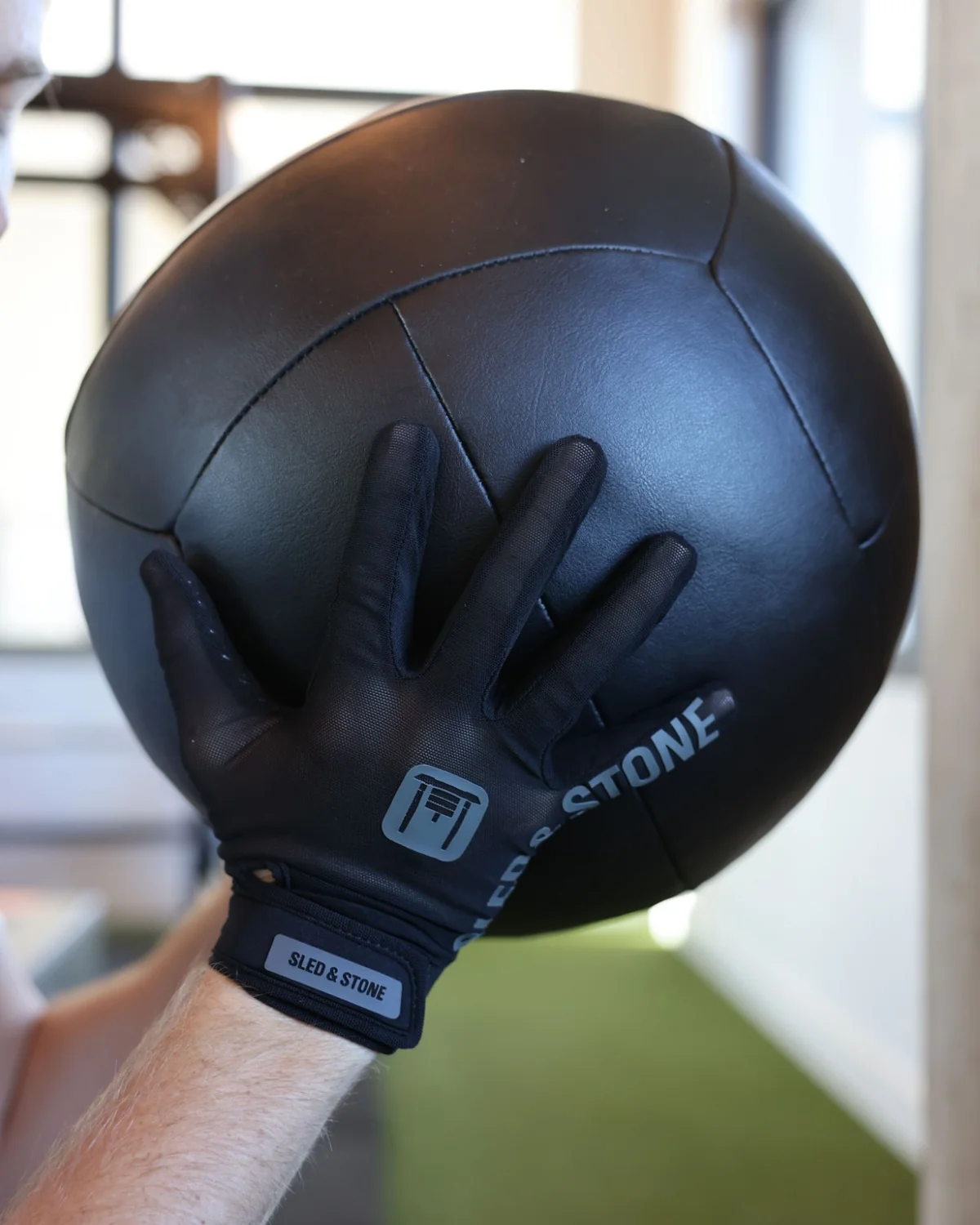
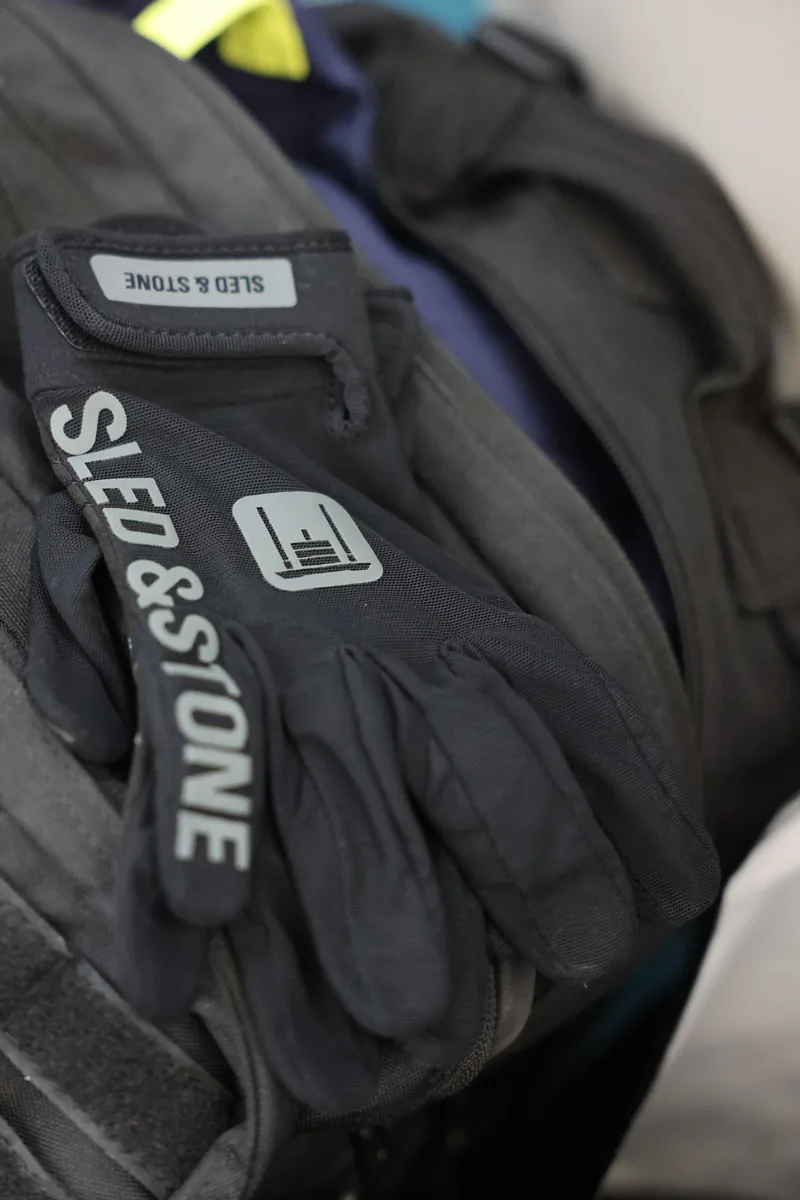
One glove, on from the first SkiErg pull to the last wall ball. No padding, no reinforcement panels, nothing added that doesn’t earn its place.
Get launch access →Size guide coming soon →
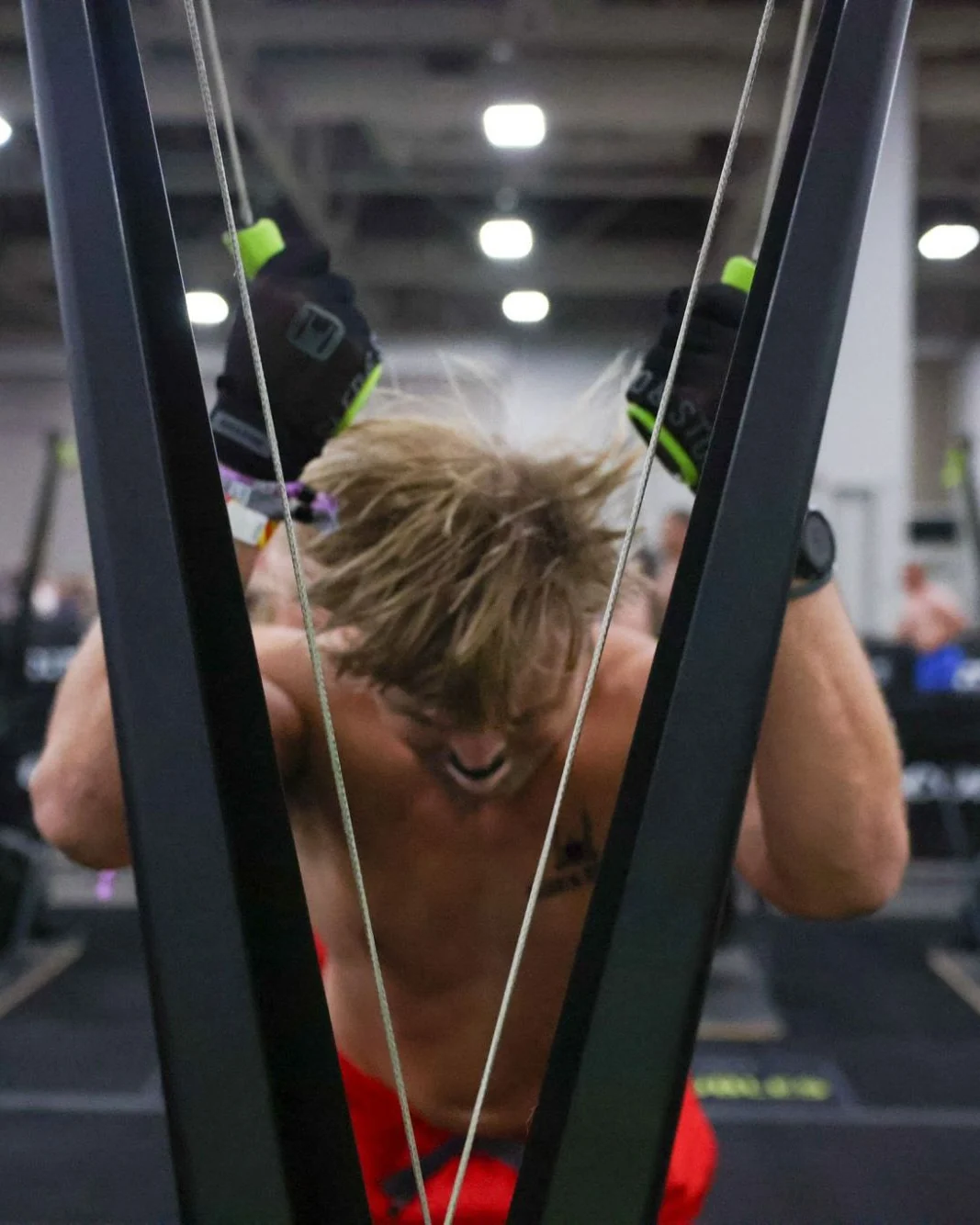
“I forgot I had it on, and the improvement on the carries was insane. The rope pull was also much improved.”
The full spec
- The Stonegrip
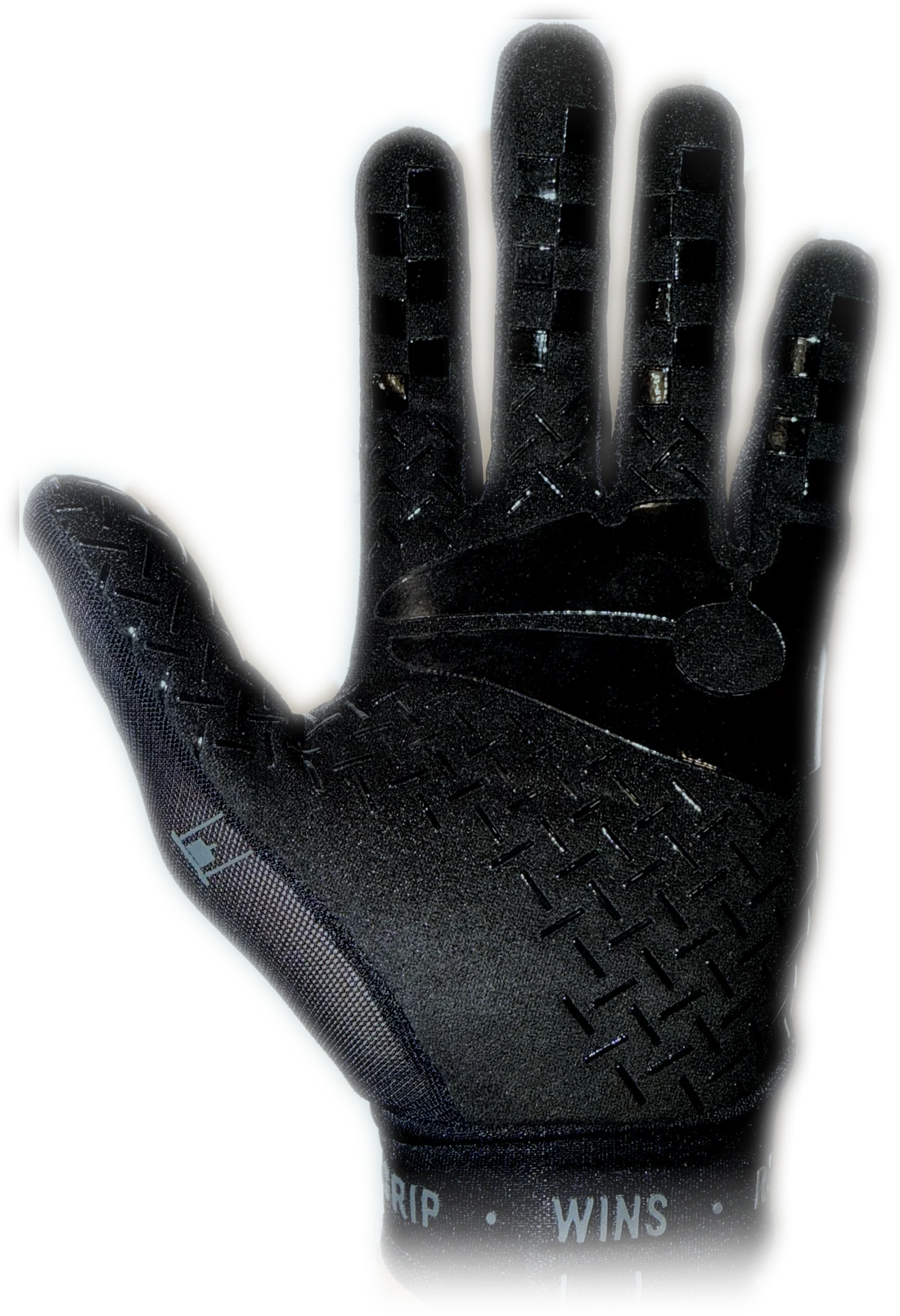
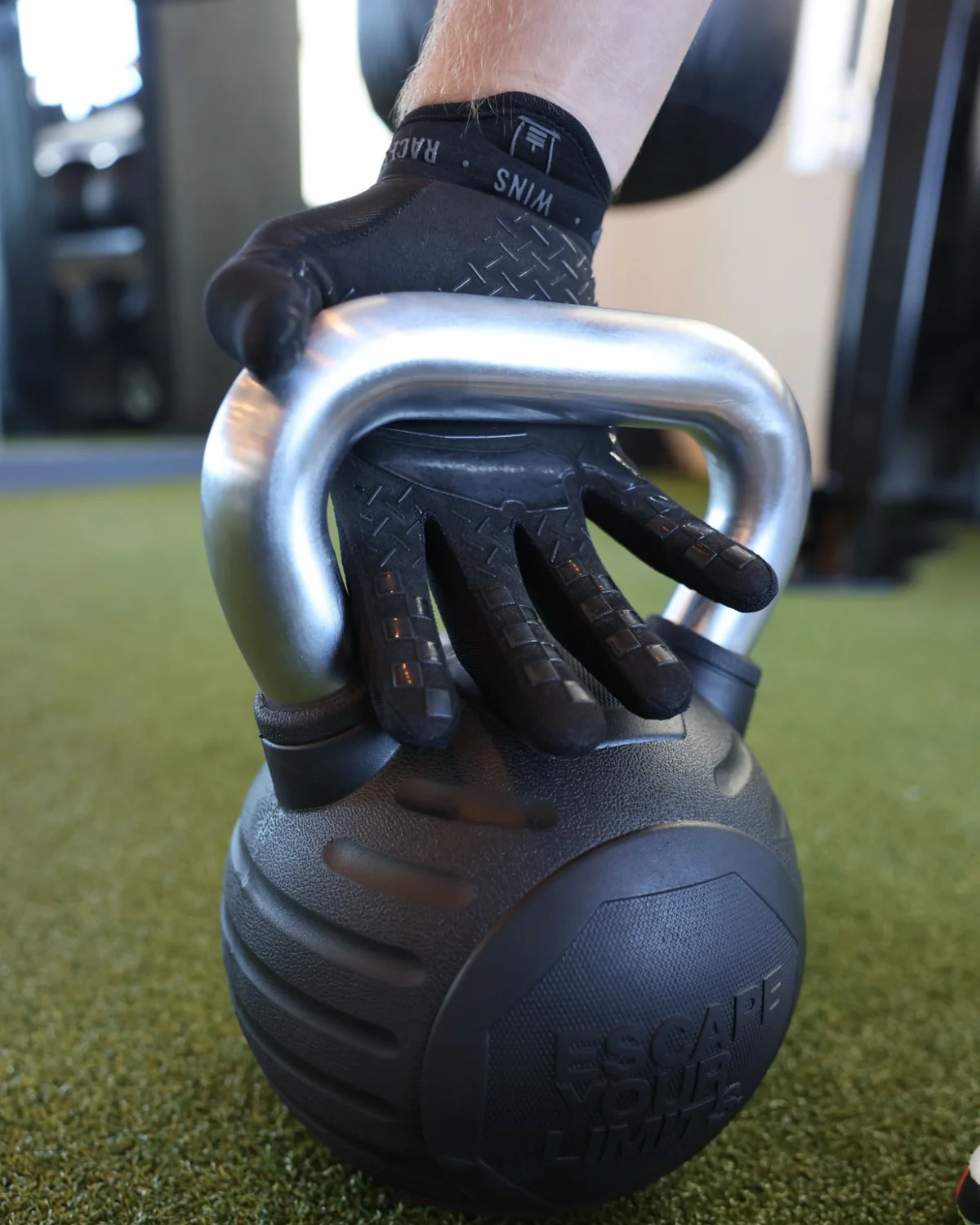
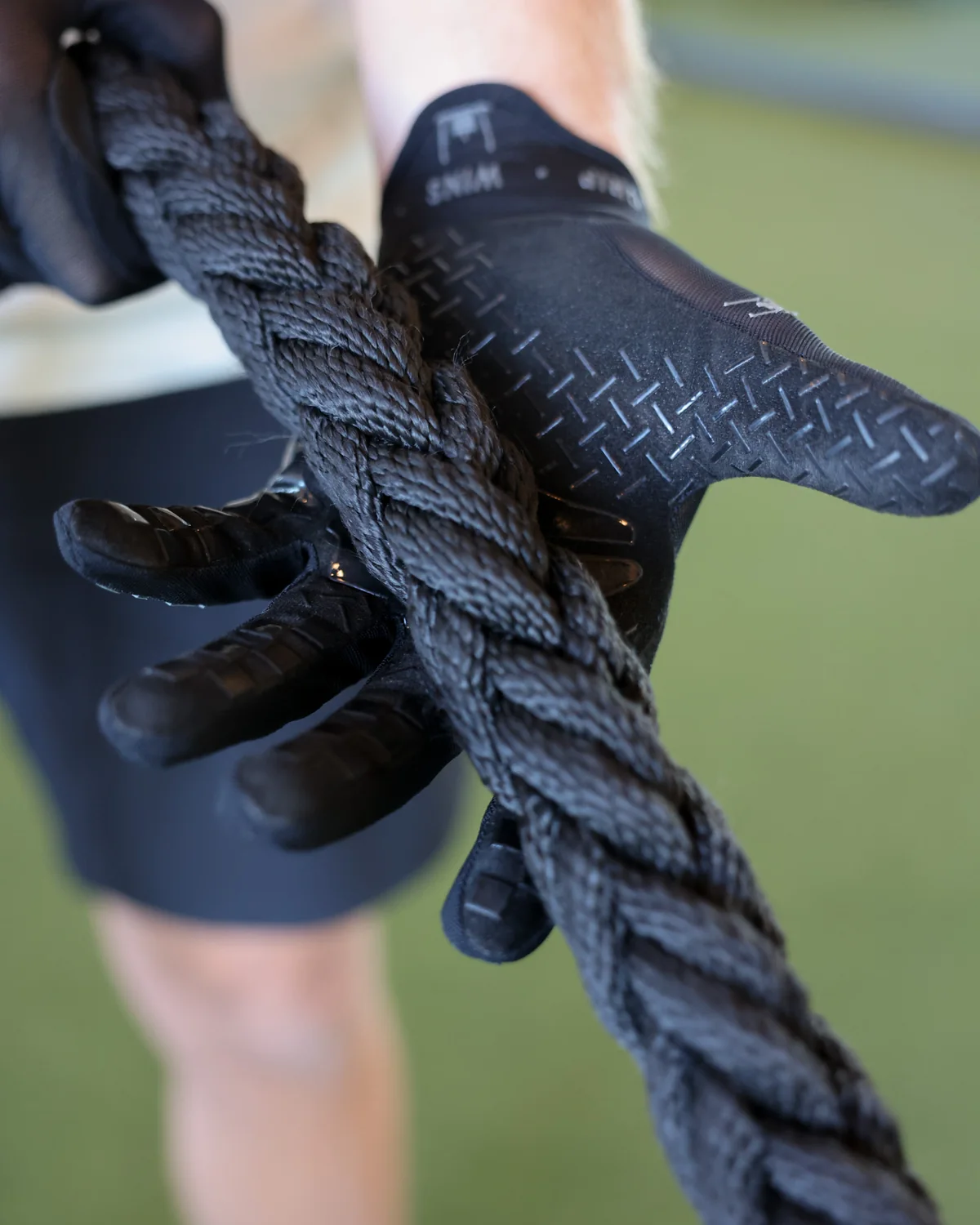
- The part the glove is named for. Segmented silicone across the base of the fingers, where a heavy carry actually pulls. Segmented so it moves with your hand instead of folding against it, and every edge bites once your palms are sweating. Less grip effort on the rope, the carries and the erg handles, so you finish with forearms in reserve.
- The Anchor
- A wide adjustable wrist strap. The glove stays put when your grip relaxes, instead of sliding down your fingers.
- The Airframe
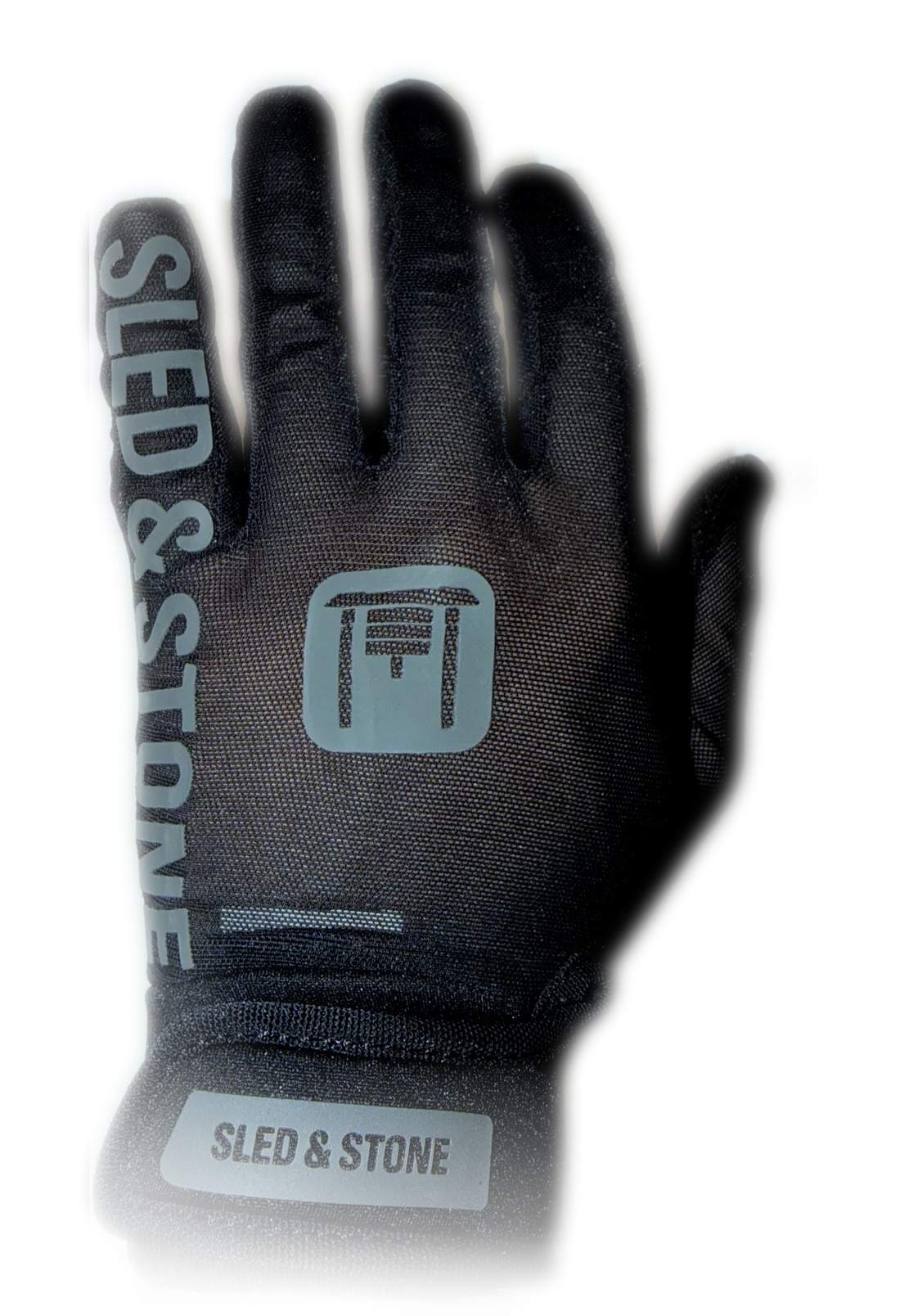
- A stretch mesh back you can see straight through, and a perforated palm, so air moves through both sides of your hand. No padding or lining to trap heat over an hour-plus race.
- Weight
- 24 g a glove in size L. Mesh on the back, a single-layer perforated palm and no padding anywhere, so there is almost nothing on your hand to carry through eight stations.
- Grip zones
- Silicone across the palm, the thumb and the finger pads, for control at every station, not just the rope.
- Pull tab
- On and off fast, even with wet hands.
Why full-finger
Most gloves in this sport are lifting gloves with the fingers cut off. That is the right design for a barbell, which loads your palm. It is the wrong one for a rope, which loads your fingers.
- Your grip lives in your fingers. The muscles that close your hand sit in your forearm and pull on tendons running down each finger. Your palm is mostly the wall they press against. It is your forearms that fail on the sled pull, not your palms.
- The rope runs through your fingers. Highest grip demand in the race and the main source of rope burn, on exactly the segments a half-finger glove leaves bare.
- Catching is fingertips. Wall balls need tack where a half-finger glove has already ended.
- Carries hang off the finger bases. The callus line, which is where the Stonegrip sits.
Five of the eight stations load your fingers. Two load your palms. Half-finger gloves are built for the two.
The long version, with the fair objections →Race-tested. Available soon.
When it drops, Club members get first access and a launch discount that is email only: it will not be on the site. Joining is free. No spam.
Free. You join the Sled & Stone Hybrid Racing Club: the glove first, the launch discount by email, and your training on any device. No spam.